
Cultural safari experiences are an essential part of any East African safari package. They are the missing bits that will connect you to the people, their traditions, and the origins of humanity. Forget the sweeping savannas and epic wildlife encounters for a moment. East Africa holds a treasure far more intricate, a living, breathing mosaic of centuries-old traditions, vibrant customs, and the captivating stories of countless communities.
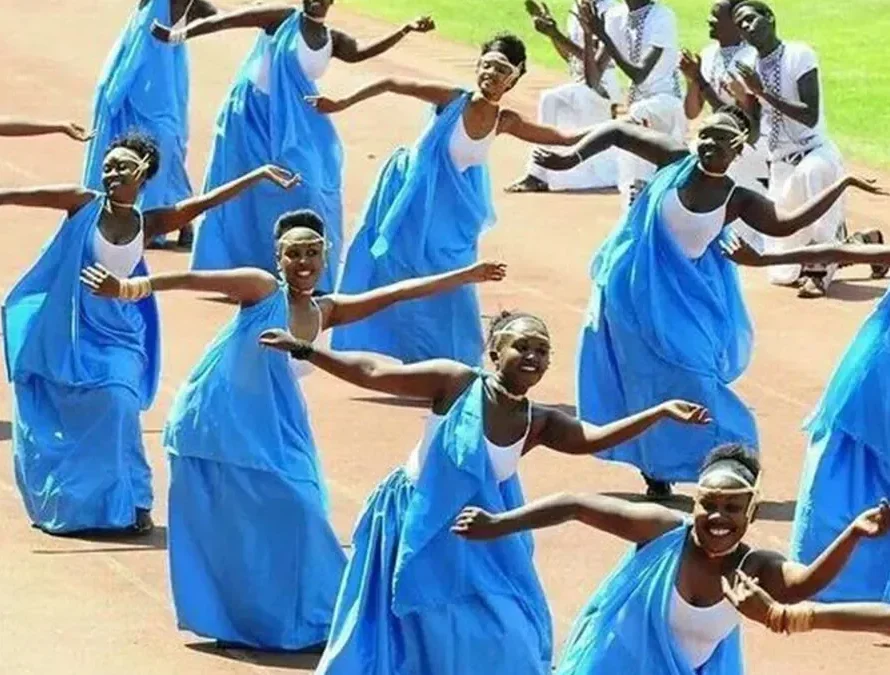
From the rhythmic drumming of Maasai warriors under a fiery Kenyan sunset to the graceful movements of Rwandan Intore dancers echoing through misty mountain valleys, this is a land where culture isn’t just a people thing; it’s the core of every experience.
Imagine sharing a meal with a Ugandan rural family, learning the secrets of their cuisine passed down through generations. Picture yourself exploring the bustling markets of Zanzibar, where the air is filled with the aroma of exotic spices and the hum of lively bartering.
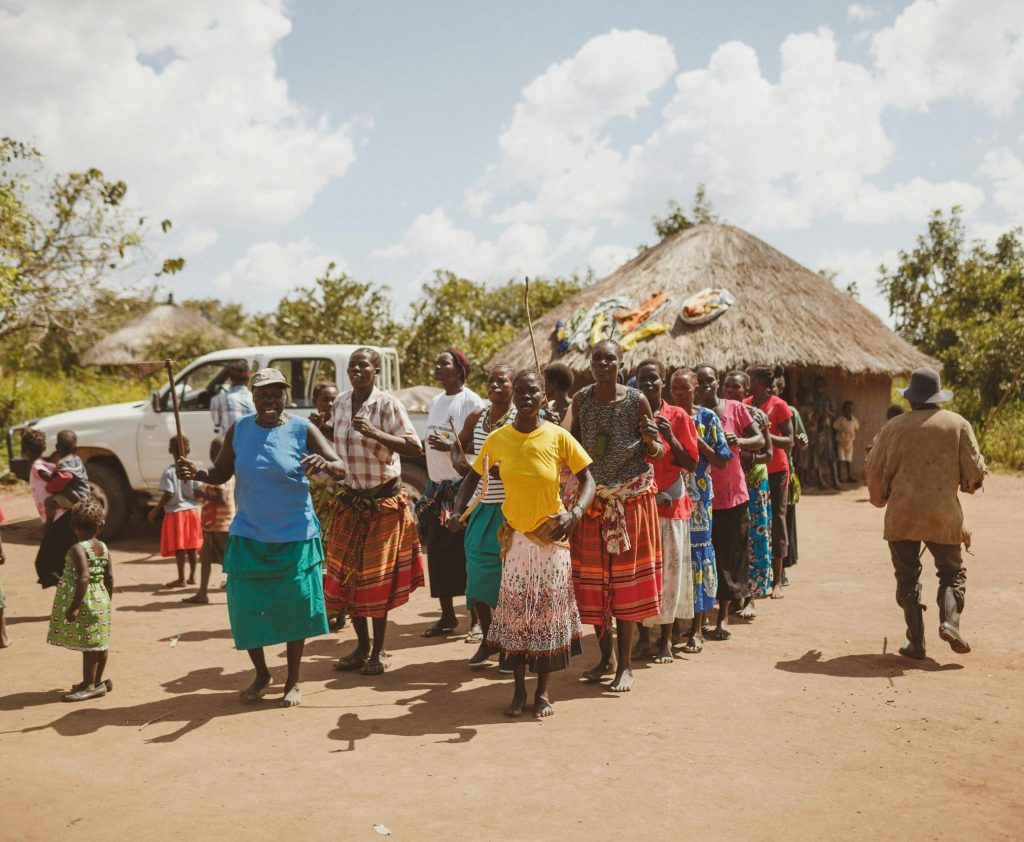
Uganda’s cultural landscape is defined by its remarkable diversity, with over 50 ethnic groups contributing to the nation’s rich heritage. A visit to the Buganda Kingdom, the largest and most influential kingdom, offers a profound understanding of the country’s history. Key sites like the Kasubi Tombs, a UNESCO World Heritage Site, provide insights into the burial traditions of Buganda kings. The Kabaka’s Palace in Kampala showcases Buganda’s royal legacy, with historical artifacts and stories about past rulers.
For an immersive experience, the Batwa Pygmy Experience in southwestern Uganda offers a glimpse into the lives of one of Africa’s oldest indigenous tribes. Visitors can participate in forest walks, learn about traditional hunting techniques, and enjoy captivating performances. Meanwhile, the Karamojong people in the northeastern region present a unique opportunity to witness a semi-nomadic pastoralist lifestyle, with cattle herding, traditional dances, and ceremonial rituals. The Bagisu Imbalu circumcision ceremonies near Mount Elgon highlight important rites of passage, reflecting deep-seated cultural practices.
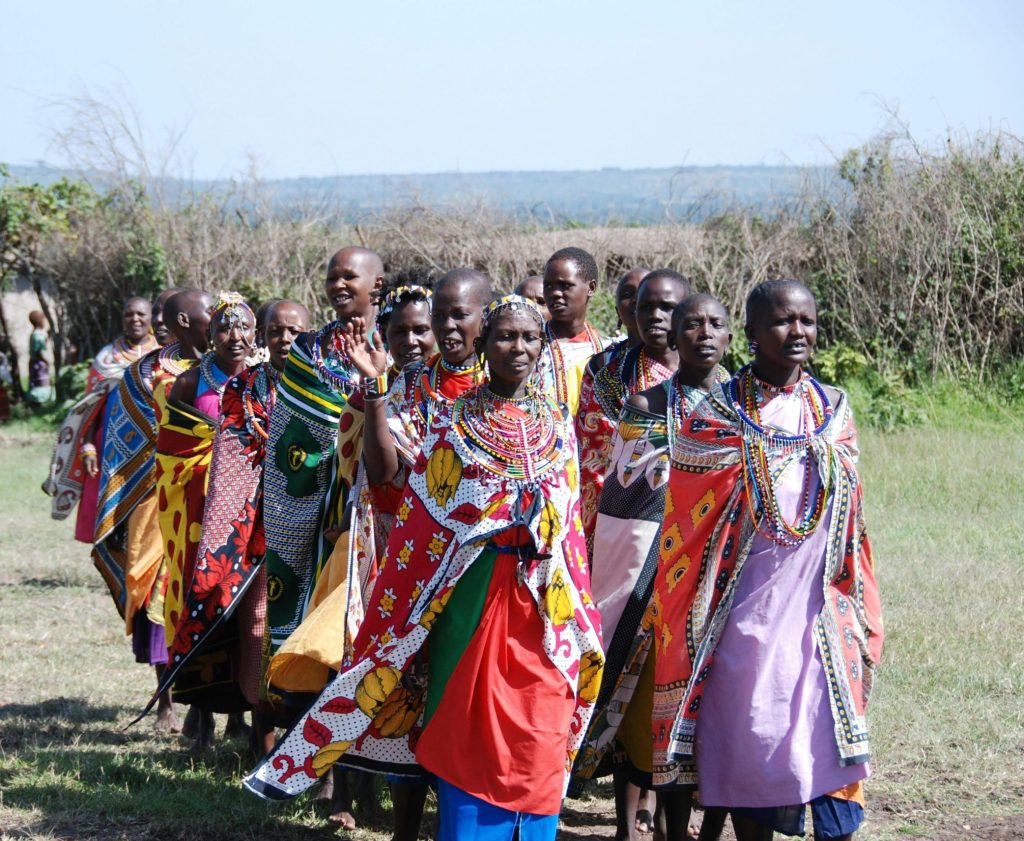
Kenya’s cultural tours reveal the rich heritage of over 40 ethnic groups, each with its distinct traditions and customs. The Maasai Mara offers an iconic experience with the Maasai people, who are known for their colorful shukas (robes), intricate beadwork, and warrior dances. Visitors can engage in activities such as spear throwing, fire-making, and storytelling sessions that bring to life the Maasai’s rich folklore and history.
In the northern regions, the Samburu and Turkana communities offer a deep dive into the lives of semi-nomadic pastoralists. These communities provide an intimate look at traditional practices, including livestock management, beadwork, and ceremonial dances. The Bomas of Kenya in Nairobi present a condensed cultural experience, featuring performances of traditional dances and music from various ethnic groups across the country. On the coast, the Lamu Cultural Festival celebrates the Swahili heritage with dhow races, poetry readings, and performances that highlight the Arab-African cultural fusion.
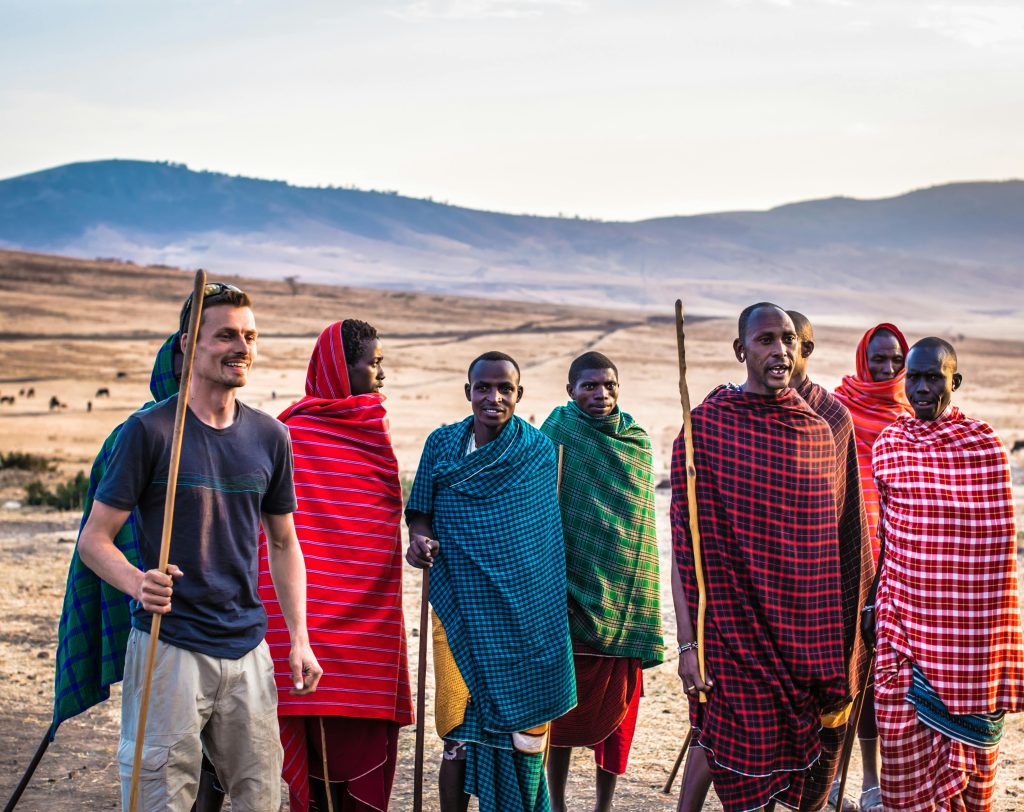
Tanzania’s cultural tours offer a rich mosaic of experiences, reflecting its more than 120 ethnic groups. The Maasai villages in the Serengeti and Ngorongoro regions provide a fascinating glimpse into the Maasai way of life, characterized by pastoral traditions, elaborate rites of passage, and vibrant ceremonial dances. Visitors can spend time in the villages, learn about Maasai customs, and witness their famous jumping dance, the adumu.
The Hadza people, one of the last remaining hunter-gatherer tribes, offer a rare opportunity to experience an ancient way of life. Located near Lake Eyasi, the Hadza tribe allows visitors to join in hunting expeditions and learn about survival skills that have remained unchanged for thousands of years. In Zanzibar, the historic Stone Town reveals a rich blend of Arab, Persian, and African influences, with narrow alleyways, bustling markets, and centuries-old architecture. Additionally, the Makonde artisans in southern Tanzania are renowned for their intricate wood carvings, depicting both everyday life and mythological themes.
Rwanda’s cultural tours highlight the resilience and unity of its people. At the Iby’Iwacu Cultural Village near Volcanoes National Park, visitors can engage in interactive experiences, including traditional dances, drumming lessons, and demonstrations of local crafts such as basket weaving. This village experience provides an authentic look into the daily lives of Rwandan communities and their traditions.
The Kigali Genocide Memorial offers a sobering yet essential understanding of Rwanda’s recent history, commemorating the 1994 genocide and showcasing the country’s path to reconciliation and healing. For those interested in traditional markets, Kimironko Market in Kigali offers a vibrant atmosphere where visitors can shop for local produce, crafts, and textiles while interacting with friendly vendors. Additionally, the annual Umuganura Day in August celebrates Rwanda’s cultural heritage with traditional ceremonies, performances, and communal feasts.
Giraffe Sights Africa is a premier safari and tours company based in Uganda, specializing in customized African holiday experiences across Uganda, Rwanda, Kenya, and Tanzania. We offer a range of tailored safaris, including gorilla treks, game drives, birding tours, cultural adventures, and nature safaris.
Copyright © 2025 Giraffe Sights Africa. All Rights Reserved. Designed by Website Design Uganda | GS.
WhatsApp us