About Tanzania
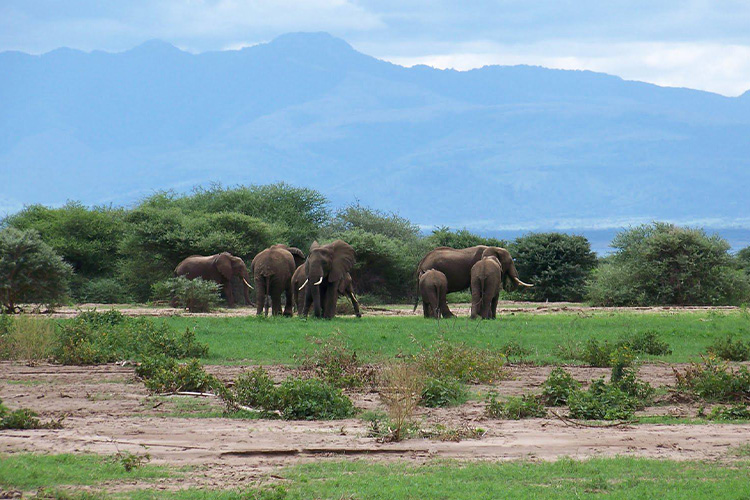
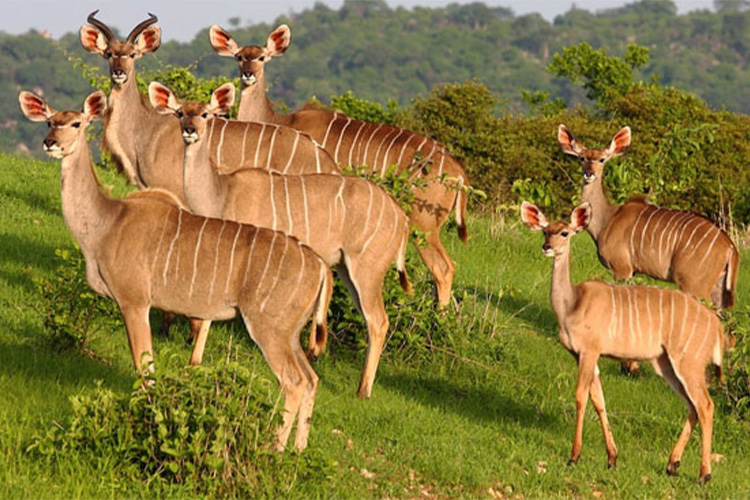
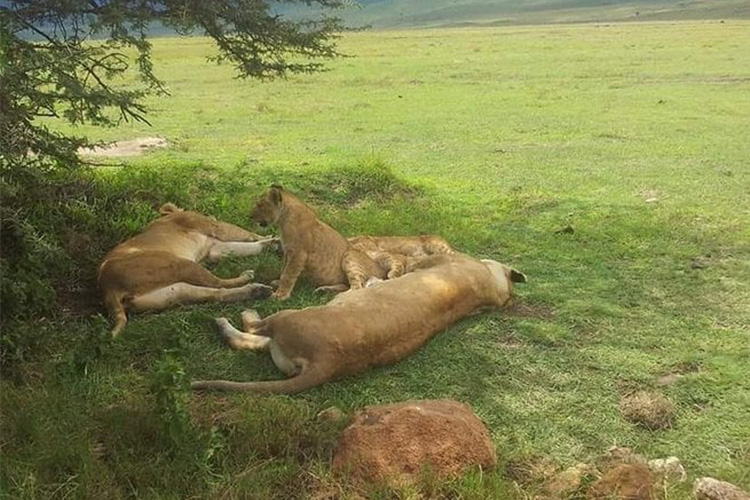
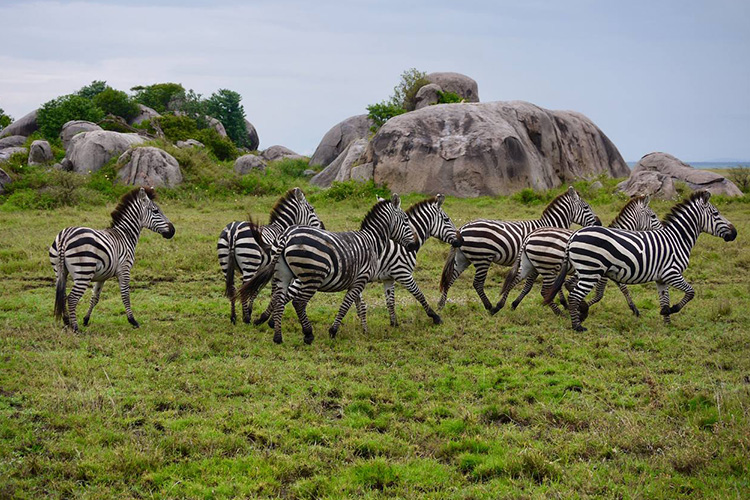
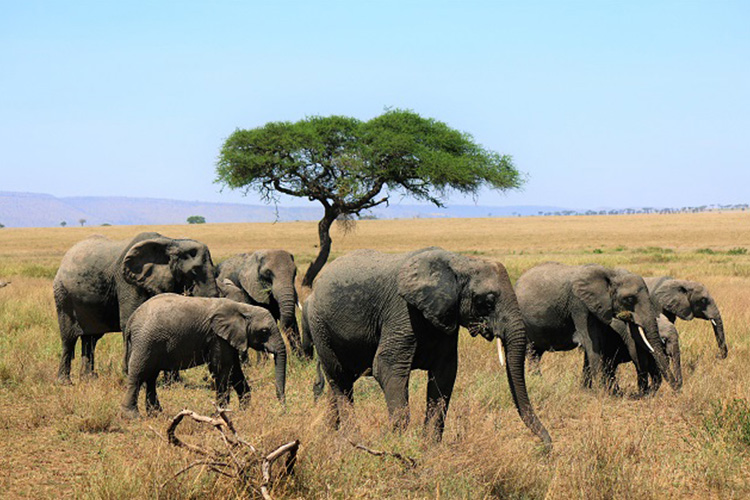
Tanzania, located in East Africa, is a country of extraordinary natural beauty, cultural diversity, and rich history. Known for its iconic wildlife safaris, pristine beaches, and world-famous landmarks such as Mount Kilimanjaro and the Serengeti National Park, Tanzania offers a wide range of experiences for travelers.
Visas and Entry Requirements
Most visitors to Tanzania require a visa, except citizens of certain Commonwealth countries (e.g., the UK and Canada), Scandinavian countries, Rwanda, and Sudan, who are eligible for a free visitor’s pass valid for one to three months. Visitors arriving in Zanzibar or coming from yellow fever-endemic regions must provide proof of yellow fever vaccination.
Health Considerations
Travelers should take precautions against health risks such as malaria, yellow fever, cholera, hepatitis, typhoid, and tsetse fly bites. Anti-malaria medication is essential and should be started two weeks before arrival. Carry mosquito repellent and ensure vaccination requirements are met. HIV/AIDS remains a concern but is less prevalent than in some neighboring countries.
Vegetation and Climate
Tanzania’s landscape is incredibly diverse, ranging from tropical forests along the coast to savannah and bush in the interior. Approximately 37% of the country is covered in forests and woodlands, with 16% being arable land. Coastal areas experience hot and humid weather, with temperatures averaging 30°C, while the highlands offer a cooler, temperate climate. The central plateau is arid, with hot days and cool nights.
Currency and Payments
The Tanzanian shilling (TZS) is the official currency, but US dollars are widely accepted in tourist areas. Note that US dollar notes printed before 2009 may not be accepted. Currency exchanges should be conducted at authorized facilities, and receipts should be retained. Visa is the most commonly accepted card, but usage may incur surcharges. To avoid fraud, use ATMs located inside banks and inform your bank before and after your trip.
How to Reach Tanzania
Tanzania is well-connected internationally by air, with three main airports serving travelers:
- Kilimanjaro International Airport (ideal for northern safari circuits, including Serengeti and Ngorongoro Crater)
- Julius Nyerere International Airport (a hub for accessing the southern safari circuits and major cities)
- Abeid Amani Karume International Airport (best for beach vacations in Zanzibar)
Most international flights land in Dar es Salaam, the gateway to the southern safari circuit. Kilimanjaro International Airport is convenient for exploring northern game reserves, while Zanzibar is perfect for island getaways.
Ethnic Diversity
The largest ethnic group is the Sukuma, primarily found in the northwestern regions near Lake Victoria. Other prominent groups include the Chagga, Haya, and Nyamwezi. Despite their diversity, Tanzanians generally live in harmony, with a strong sense of national identity fostered by the Swahili language.
Languages
Swahili (Kiswahili) is the official and most widely spoken language, serving as a unifying force across ethnic lines. English is also an official language and is commonly used in government, business, and education. Many Tanzanians are multilingual, often speaking their local ethnic language alongside Swahili and English.