Gorilla Trekking
Gorilla trekking in East Africa
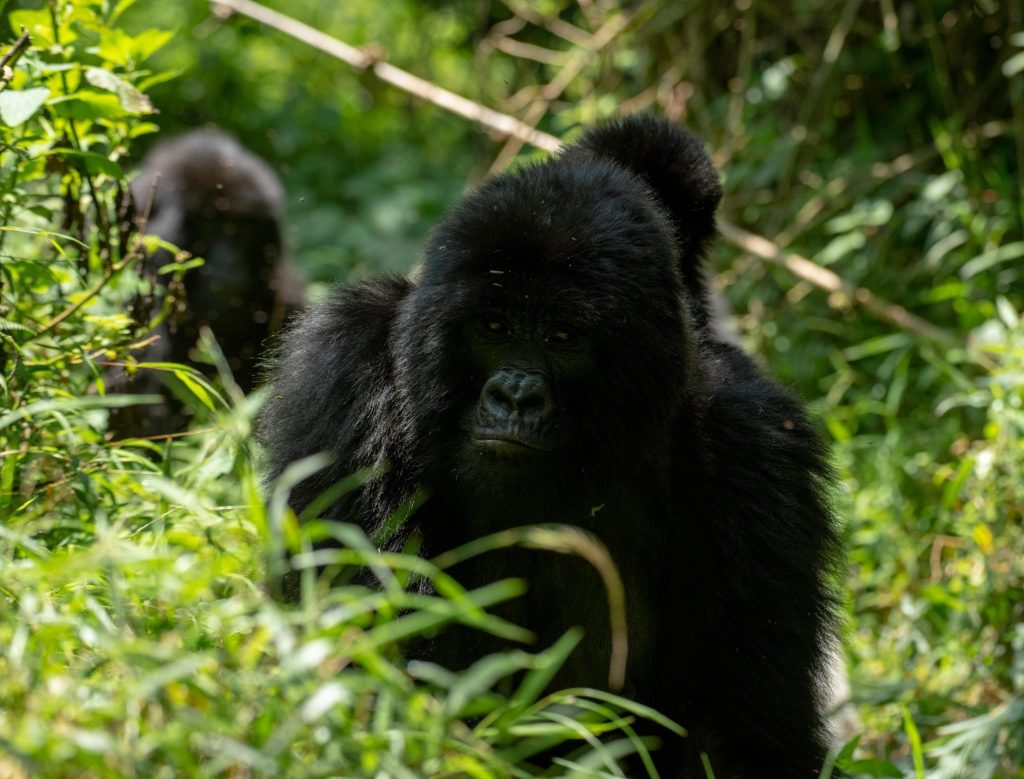
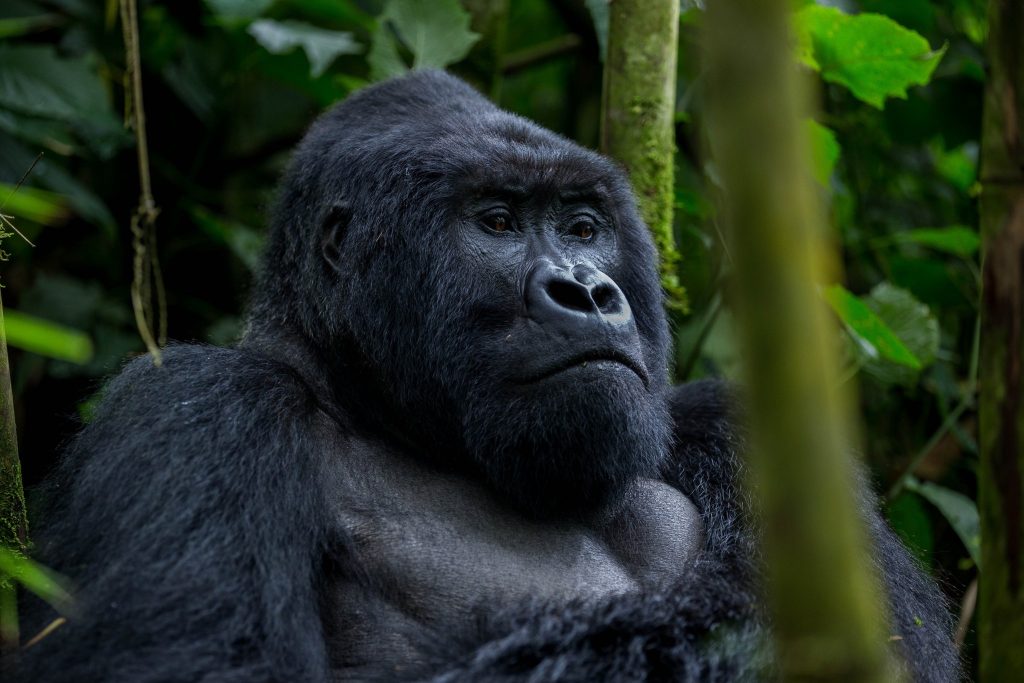
Gorilla trekking in East Africa is a unique and transformative experience, offering an intimate encounter with one of the world’s most endangered species—the mountain gorilla. This adventure takes place deep in the mountainous rainforests of Uganda and Rwanda, where small groups of trekkers traverse rugged terrain in search of gorilla families. Guided by experienced park rangers and trackers, the trek provides a rare opportunity to observe these majestic creatures in their natural habitat, witnessing their behaviors, social structures, and interactions up close.
The activity is highly regulated to protect the gorillas and their fragile environment. Each trekking group is limited in size, and visits to each gorilla family are restricted to one hour, ensuring minimal disturbance.The revenue generated from gorilla permits plays a crucial role in conservation efforts and supports local communities, making gorilla trekking not just a thrilling adventure but also a vital tool for protecting these incredible primates and their ecosystems.
Where to Go
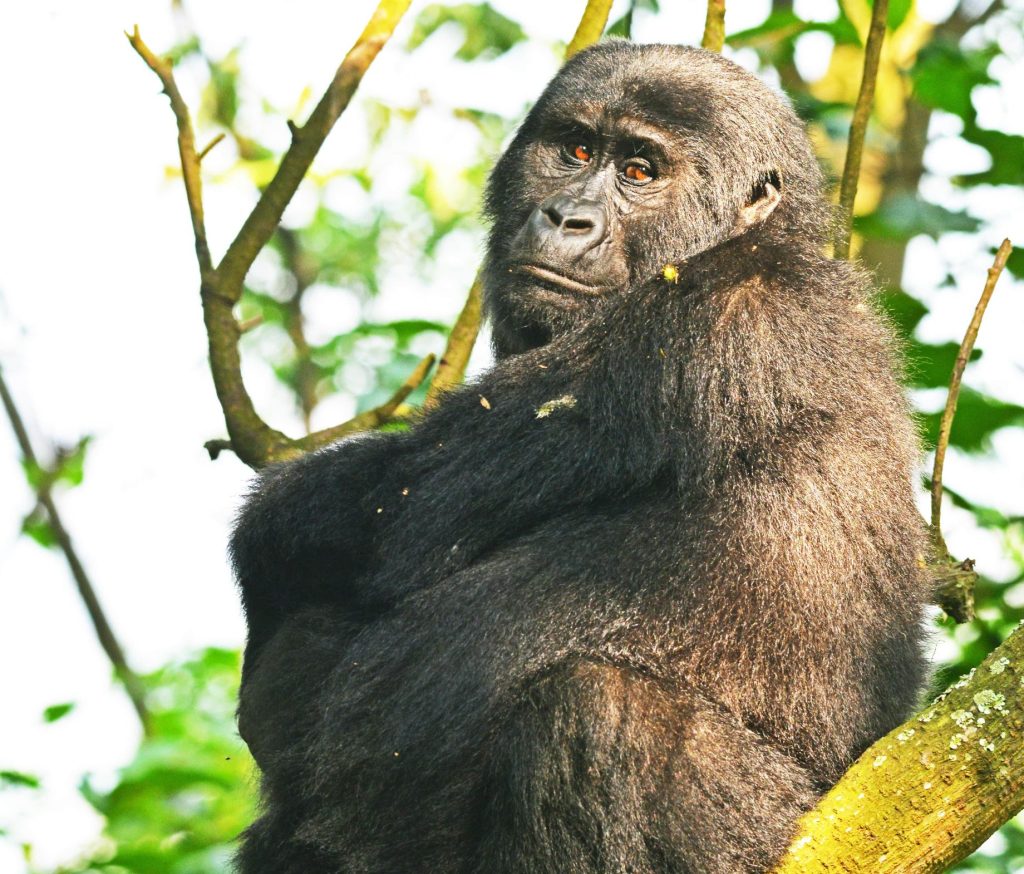
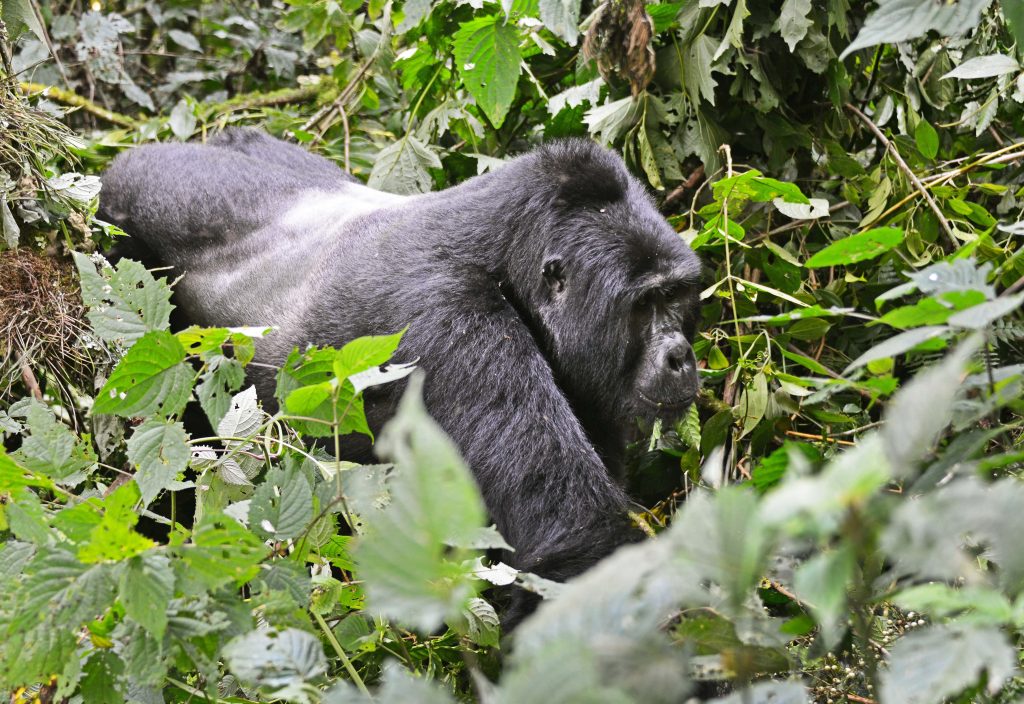
In Uganda, gorilla trekking takes place in two main locations: Bwindi Impenetrable National Park and Mgahinga Gorilla National Park. Bwindi is home to more than half of the world’s mountain gorilla population and offers a variety of trekking sectors, each with distinct landscapes and gorilla families.
Mgahinga, part of the Virunga Mountains, provides a less crowded but equally rewarding experience, often complemented by golden monkey tracking.
In Rwanda, trekking occurs in Volcanoes National Park, known for its well-maintained trails and stunning volcanic scenery. This park’s accessibility and breathtaking landscapes make it a popular choice for travelers.
When to Go
Gorilla trekking can be done year-round, but the experience varies with the seasons. The dry seasons from June to September and December to February are the most popular and recommended times. During these months, the trails are more accessible, and the chances of clear views are higher. However, even in the dry season, the forests can be muddy and slippery, so proper preparation is essential.
The wet seasons (March to May and October to November) offer lush, vibrant landscapes, and fewer tourists, providing a more intimate experience. While trekking can be more challenging due to rain and slippery trails, it is still possible, and some travelers appreciate the tranquility and rich greenery.
Gorilla Trekking Permits in East Africa
To embark on a gorilla trek, securing a permit is essential. In Uganda, permits cost $700, while in Rwanda, they are priced at $1,500. These permits can be obtained through the Uganda Wildlife Authority or the Rwanda Development Board.
While direct bookings are possible via phone or email, it is advisable to use a tour operator. We streamline the process by handling direct bookings with the issuing bodies, which can be time-consuming. It is recommended to book permits at least three to four months in advance to ensure availability.
What to Wear on a Gorilla Trek
The right clothing and gear are essential to ensure you have an enjoyable and safe gorilla trekking experience. Here’s what you should wear and bring:
- Long-Sleeved Shirt & Pants: Protect your arms and legs from scratches caused by the thick vegetation.
- Sturdy Hiking Boots: A good pair of hiking boots with ankle support is necessary for traversing uneven and slippery terrain.
- Waterproof Jacket: The weather in Uganda can be unpredictable, and it’s best to be prepared for rain.
- Hat & Sunglasses: Protect yourself from the sun and occasional downpours.
- Gloves: Gardening gloves can help protect your hands from thorny plants and insects.
- Backpack: A small, waterproof backpack to carry water, snacks, camera, and other essentials.
- Camera: For capturing the moment, but make sure it’s quiet and unobtrusive to avoid disturbing the gorillas.