
Mountain Climbing in East Africa
Overview
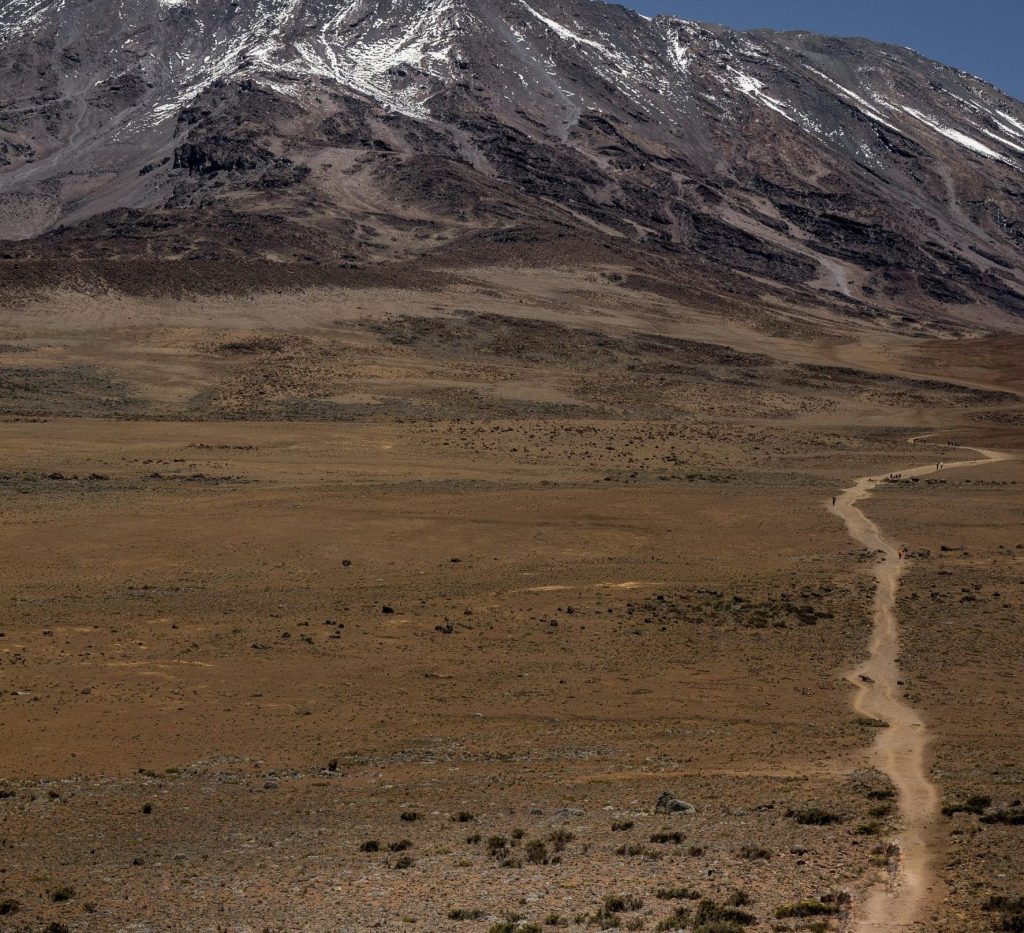
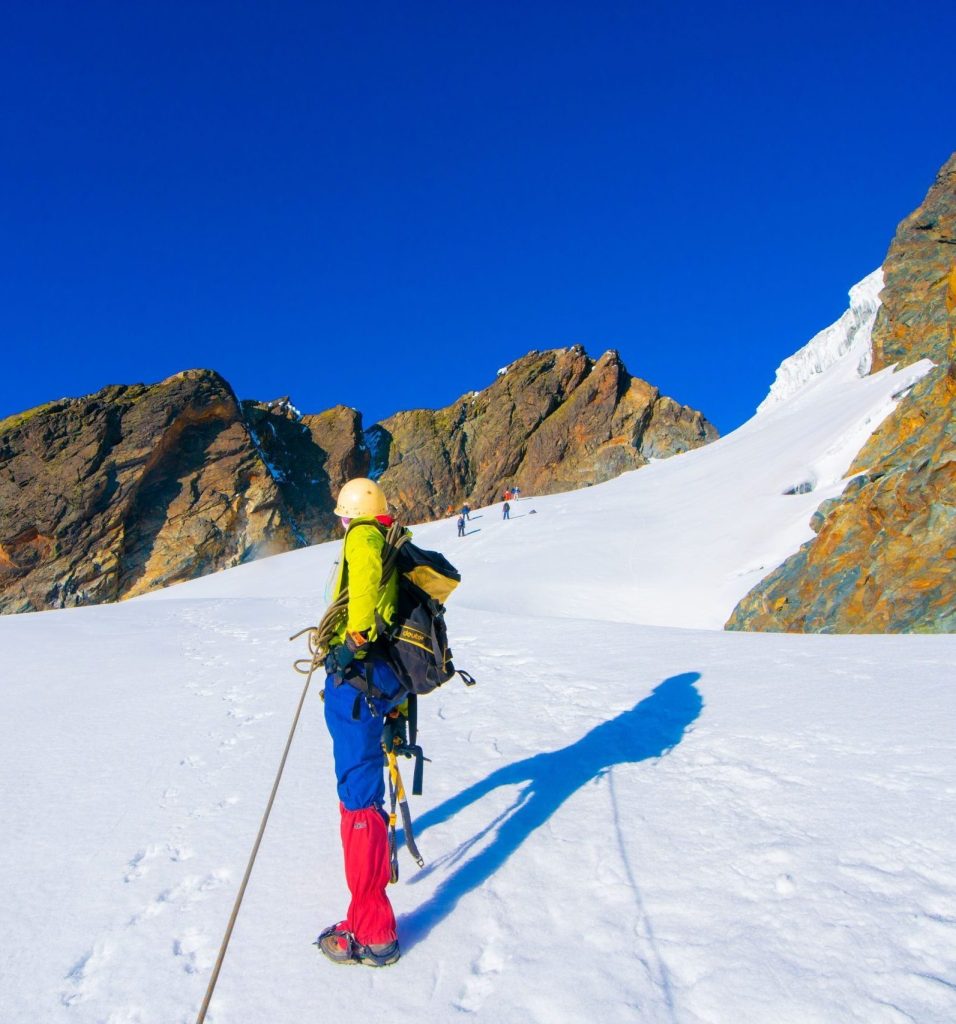
Mountain climbing in East Africa offers an unparalleled adventure, set against some of the continent’s most dramatic landscapes. From the iconic Mount Kilimanjaro in Tanzania to the rugged peaks of Mount Kenya, Mount Rwenzori, and the Virunga Volcanoes in Uganda and Rwanda, mountain climbing here is a journey of both physical challenge and natural beauty. These mountains are not only popular for their climbing routes but also offer rich biodiversity, including unique wildlife and plants, as well as opportunities for cultural immersion with the local communities.
The climbs range from moderate treks to challenging expeditions, suitable for climbers of all levels. Each mountain has its own appeal, whether it’s the highest free-standing mountain in the world, Kilimanjaro, or the mystical, mist-covered peaks of the Rwenzoris. The thrill of reaching the summit, surrounded by panoramic views of forests, glaciers, or volcanoes, makes East Africa a prime destination for mountaineers.
Where to Go
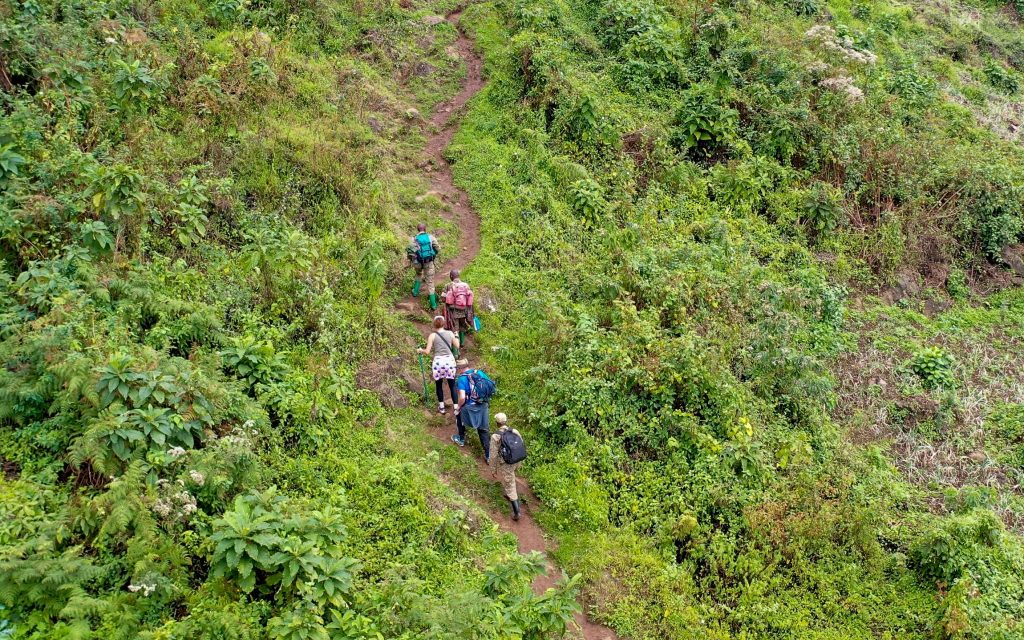
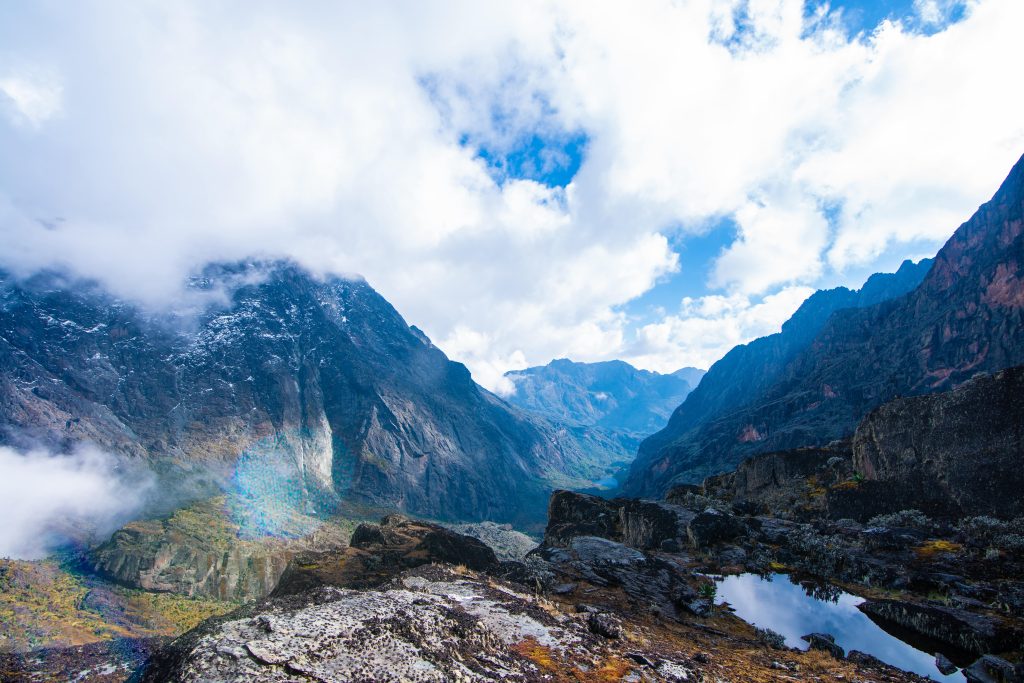
The Rwenzori Mountains, also known as the “Mountains of the Moon,” straddle the border between Uganda and the Democratic Republic of Congo. They are famous for their rugged terrain, glaciers, and diverse ecosystems. On the border between Rwanda and Uganda, the Virunga Volcanoes offer dramatic volcanic landscapes, with the added bonus of the rare opportunity to encounter mountain gorillas.
Each of these mountains provides its own unique experience, whether you’re looking for a challenging technical climb, a scenic trek, or a chance to see some of East Africa’s wildlife in their natural habitats.
When to Go
The best time to embark on a mountain climbing adventure in East Africa depends on the region and the altitude of the mountain. Generally, the most favorable conditions are found during the dry seasons. In Tanzania, Kenya, Uganda, and Rwanda, the dry seasons typically run from June to October and December to March. These months offer clearer skies, less rainfall, and more comfortable trekking conditions, especially at higher altitudes.
However, some climbers may choose to climb during the shoulder seasons, but this may mean encountering more unpredictable weather conditions, with possible rainfall and cooler temperatures, especially in the highlands.
Best Time to Go
For Mount Kilimanjaro, the best time to trek is during the dry season, between June to October and December to February, when the trails are less muddy and the weather is more predictable. Mount Kenya is also best climbed during the dry months, with July to September being particularly favorable for trekking.
For the Rwenzori Mountains, the best time to go is during the dry season, which runs from December to February and June to September, though the weather in the mountains can be unpredictable year-round. Virunga Volcanoes in Rwanda and Uganda are best visited from June to September or December to February for clearer views and optimal trekking conditions.