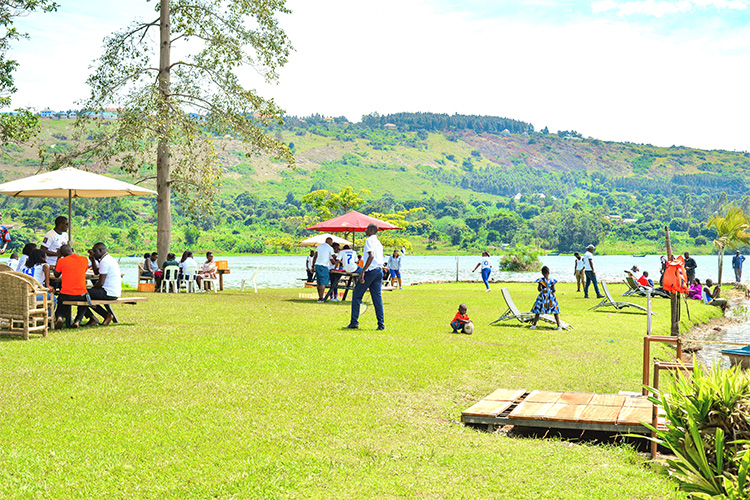
Uganda, often referred to as the “Pearl of Africa,” is a landlocked country located in East Africa. It is bordered by Kenya to the east, Rwanda to the southwest, Tanzania to the south, Democratic Republic of Congo to the west, and South Sudan to the north. Uganda is renowned for its rich biodiversity, stunning landscapes, and friendly people. It offers a unique blend of savannahs, rainforests, lakes, and mountains, making it an ideal destination for nature lovers and adventure seekers.
Geography
Uganda is situated on the East African plateau, with a diverse landscape that includes the Great Rift Valley, towering mountains, vast savannahs, and dense tropical rainforests. The country is home to several major lakes, including Lake Victoria, which is shared with Kenya and Tanzania, and Lake Albert and Lake Edward, which are located on its western borders. Uganda is also home to the Rift Valley, which contains some of Africa’s highest mountain ranges, such as the Rwenzori Mountains and the Mountains of the Moon.
People, Culture, & Food
Uganda is a culturally rich country with over 56 different ethnic groups, each contributing to the nation’s vibrant culture. The Baganda people are the largest ethnic group, residing primarily around Kampala, the capital city. English is the official language, though many Ugandans speak local languages, such as Luganda, Runyankore, Rutooro, and Lusoga. Ugandan cuisine is diverse and based on staples like matoke (cooked bananas), posho (maize porridge), and beans. Traditional dishes like luwombo (a stew), kikomando (beans with chapati), and rolex (eggs wrapped in chapati) are popular.
Climate
Uganda has a tropical climate, with temperatures typically ranging from 20°C to 30°C across most regions. The weather is characterized by two rainy seasons: the long rains from March to May and the short rains from September to November. These rainy periods can make travel more challenging, especially in remote areas, but they also contribute to the lush greenery that the country is known for. The dry seasons, from June to August and December to February, are the most popular for safaris and outdoor activities due to favorable weather conditions.
Visa Requirements
Most travelers visiting Uganda require a visa, which can be obtained upon arrival at Entebbe International Airport or applied for in advance through an e-visa platform. East African Community (EAC) nationals do not need a visa to enter Uganda. A single-entry tourist visa is typically valid for 90 days. Travelers should ensure their passport is valid for at least 6 months beyond the date of arrival. Additionally, Uganda requires a yellow fever vaccination certificate for travelers coming from yellow fever-endemic countries.
Currency
The official currency of Uganda is the Ugandan Shilling (UGX). Banknotes are available in denominations of 1,000 UGX, 5,000 UGX, 10,000 UGX, 20,000 UGX, 50,000 UGX, and 100,000 UGX, while coins are used in denominations of 50 UGX, 100 UGX, 200 UGX, 500 UGX, and 1,000 UGX. Foreign currency can be exchanged at banks, exchange bureaus, and hotels, but it’s advisable to carry local currency for everyday transactions. US dollars are widely accepted, especially in tourist areas.
Timezone
Uganda operates on East Africa Time (EAT), which is UTC +3 hours. The country does not observe daylight saving time, so the time remains constant throughout the year. Whether you’re visiting for a safari or cultural tour, adjusting to the local time zone will help you better plan your activities and excursions.
Official Language
English is Uganda’s official language, used in government and education. Uganda English is influenced by native languages and spoken widely by educated Ugandans. Swahili is also commonly used, along with indigenous languages such as Luganda, Lunyakole, and Lusoga.